Understanding the Rough-in Process & How to Navigate It
If you’re considering building a new home, you may have heard a home builder talk about the “rough-in.” It’s not necessarily a familiar phrase to the everyday Iowan, but it’s a vital part of the custom home building process.
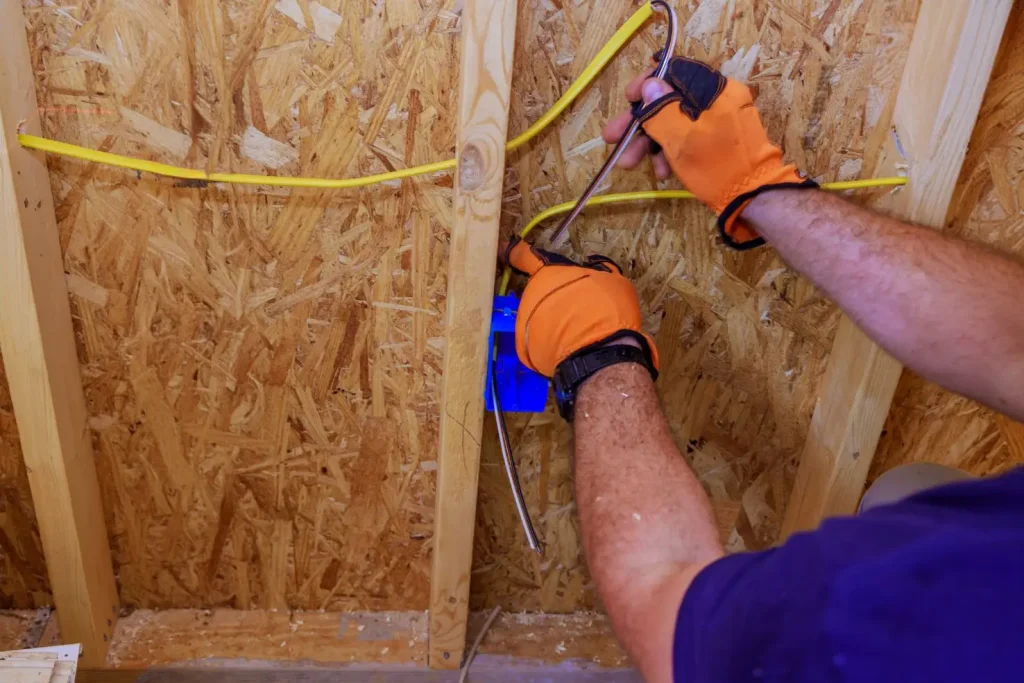
By definition, a rough-in is the stage of construction when contractors install the mechanical (HVAC), electrical, and plumbing lines in the home. It’s a pivotal stage because it finalizes much of the layout of the home, down to where you can plug in your TV or where your kitchen sink will be.
KRM Custom Homes walks central Iowans through the rough-in process with every new home build to make sure it’s successful. Here’s a closer look at what’s involved, what your role as a homeowner is, and how to get the most out of it.
What Exactly Is a “Rough-in” in Construction?
The goal of the rough-in is to install the “guts” of the home’s plumbing, electrical, and HVAC systems so the builders can safely cover them with the walls, roofing, and flooring.
Why is it called a “rough-in”? The name comes from the fact that the work at this stage is still “rough,” or unfinished. For example, the home is wired, but those wires aren’t hooked up to light switches yet. The pipes are installed, but they don’t have faucets attached. The finishing touches to these systems will come later.
However, don’t mistake the word “rough” for meaning that the quality of installation isn’t high. All wiring, piping, and ductwork must be installed properly and up to code before it gets covered by the walls of the home.
Why the Rough-in Stage Is Key to Your Custom Home Project
The rough-in stage is essential to the construction project because it lays the groundwork for your home’s functionality. It comes during the transition between framing the home (creating the “skeleton”) and hanging the drywall.
Before the rough-in is complete, you as a homeowner will have the chance to walk through and make sure every light switch, vent, or shower head is in the right spot. This is the best time to make changes, before any drywall goes up and alterations become more expensive.
Additionally, after each system is installed, we do a pre-drywall inspection to ensure everything is installed correctly.
High-quality work during the rough-in ensures that the project can move forward on time. This means that using quality contractors and properly coordinating the installation of the different systems is key.
What Happens During the Rough-in Process?
The rough-in process has three different segments that typically happen within a few days of one another. Since the mechanical, plumbing, and electrical systems must all fit nicely into the wall and ceiling space, the order typically goes from the least flexible to the most.
Mechanical (HVAC) Rough-In
Typically, the first stage of the rough-in is for the home’s central heating and cooling system. This is when you’ll see the large silver “trunk” lines that you think of when you visualize HVAC ducts. These large, rigid ducts will route the air from your heating and cooling system through the home.
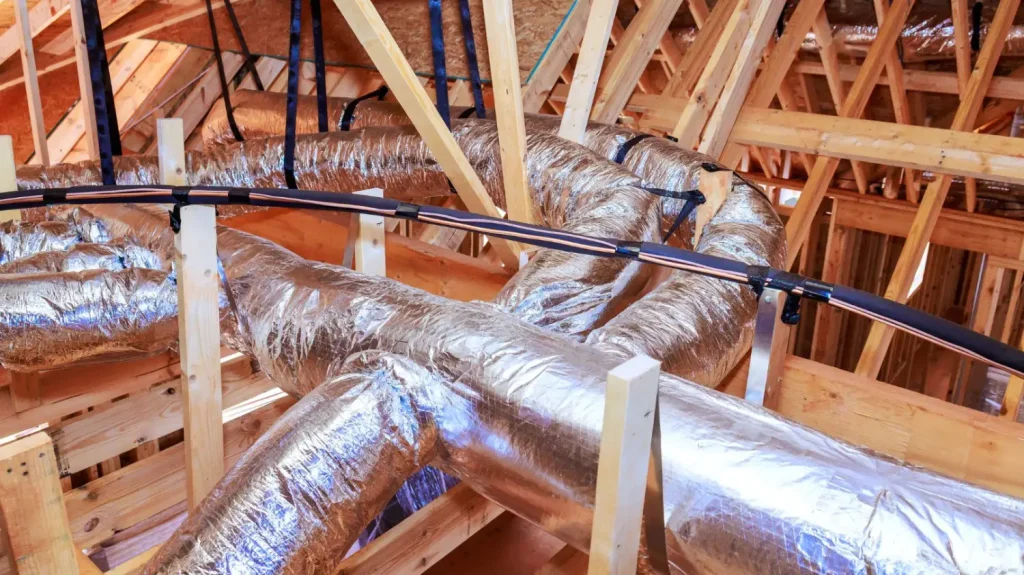
In addition to the main ductwork, we will install the following elements:
- Branch ducts (smaller ducts that attach to the main “trunk” lines)
- Return air vents
- Refrigerant lines
- Condensate drains (to carry away A/C moisture)
- Thermostat wiring
Plumbing Rough-In
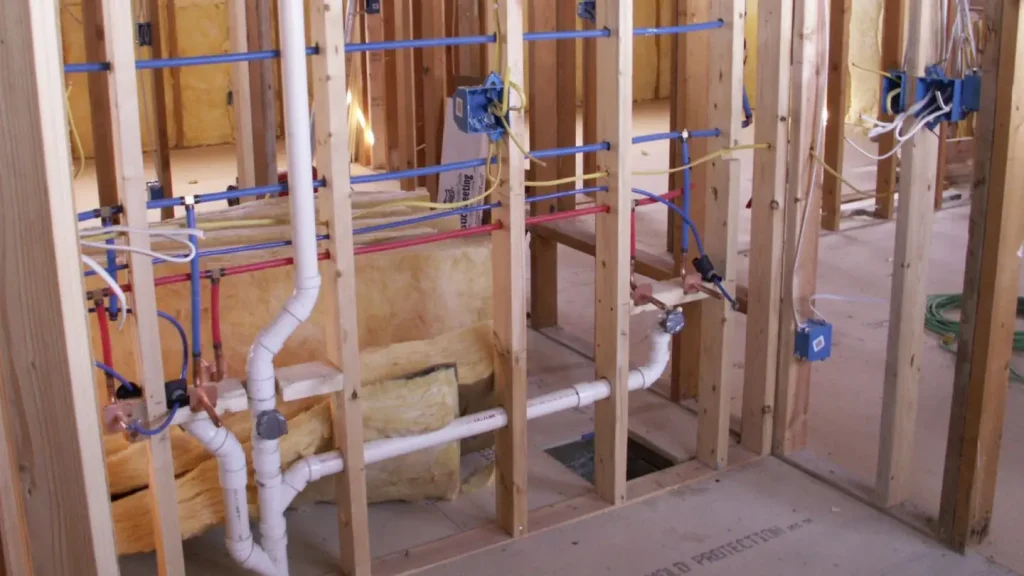
The flow of water in your home is an essential (and easily taken for granted) part of making everything run smoothly. The plumbing rough-in will strategically add your piping and drains throughout the house. This will include:
- Main drain lines
- Water supply lines
- Shower & tub valves
- Drain assemblies
Electrical Rough-In
The electrical rough-in is a very important part of the construction process for modern homes. Properly installed wiring is essential for both preventing fire hazards and for ensuring that your lighting and outlets are placed in the proper location for the layout of each room. This lays the groundwork for all of the fun parts that come later with decorating and interior design.
Electrical components that will be installed include:
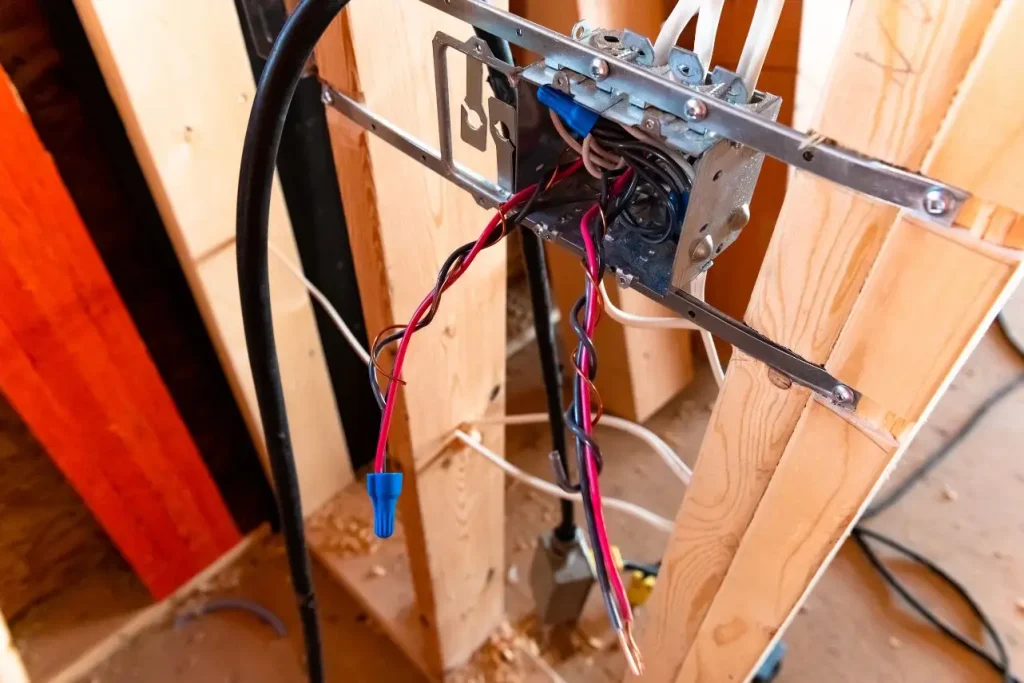
- Junction boxes (where your outlets and switches will live)
- Circuit wiring
- Recessed lighting (the “cans” in the ceiling where the lights go)
- Sub-panels
- Low-voltage wiring
- Grounding system
Following the electrical rough-in, you’ll be invited to go on your electrical walk with your contractor. This will allow you to make sure each component is in the right spot and give you a chance to make additions or changes before the wiring is all walled in.
How to Make the Rough-in Phase Flow Smoothly
Choose a High-Quality Contractor
Like any stage of the home-building process, your choice of a builder is the key to having a smooth experience. Before hiring a contractor, ask about their experience and read reviews of others who have used their services. When you work with a high-quality custom home builder like KRM, you know that we not only design quality homes, but we also ensure all work is done properly and on time. Our team gives you a scheduled move-in day from the very start of construction, meaning you can count on our timing and precision.
Plan Well on the Front End
The best way to make sure you don’t have any surprises during the rough-in is to have a solid plan going in. When you meet with your builder to develop your custom home’s layout, intentionally planning these lifestyle details on the front end will reduce the amount of decision-making you feel pressured to do during your walkthrough.
Communicate Any Changes Quickly
If you decide you want to move something in the design, like a light fixture or a water line, tell your builder immediately. Quick communication keeps the project on schedule and avoids costly changes once the walls are installed.
Take Pictures
Before the drywall goes up, grab your phone and take a video of every wall in the house. Seeing exactly where the pipes and wires live will give you a blueprint you can refer to if you want to make changes in the years to come.
Work With a Des Moines Home Builder Who Makes the “Rough-in” Feel Smooth
The home-building process should be fun, not stressful. That’s why KRM Custom Homes partners with families across the Des Moines metro to help them build their dream homes.
From the initial design phase to the rough-in to the final walkthrough, we are your trusted guide throughout the entire home-building process. We’re familiar with the local building codes, inspectors, and other on-the-ground details that make each step flow smoothly. If you’re ready to start building in Urbandale, Waukee, or anywhere in central Iowa, reach out to us today.